
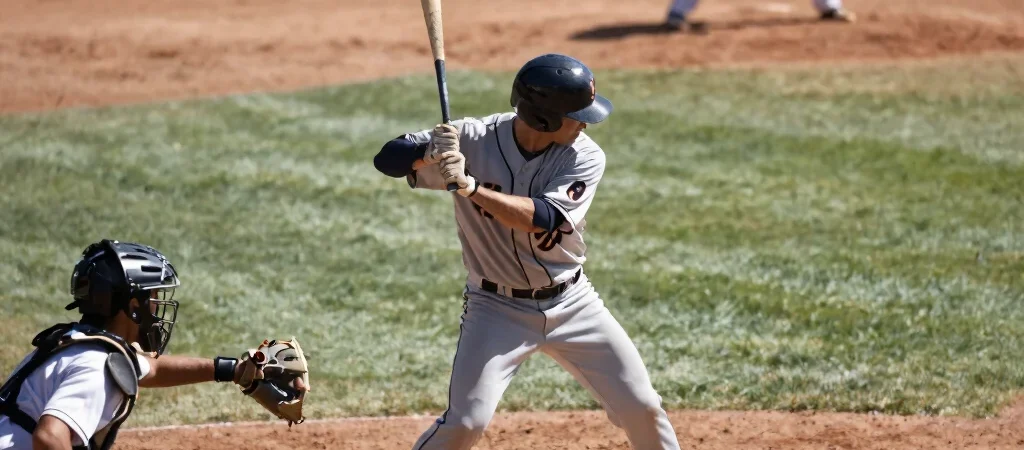
A walk rarely gets the same reaction as a ball driven into the gap. There’s no sprint around the bases, and the batter’s first step is toward first rather than into a highlight. Still, reaching base without offering at a pitch outside the zone can be an assertive choice, not a failure to attack.
A plate appearance has a process
The hitter has to judge location, movement, and whether a pitch is worth a swing, often in a fraction of a second. Taking a close pitch can keep the count manageable; chasing a ball out of the zone may end the at-bat on the pitcher’s terms. Patience is not simply waiting—it is making a decision pitch by pitch.
The inning keeps moving
A walk puts a runner on base and can bring the next hitter to the plate with a different situation to read. With a runner aboard, the defense may adjust its positioning, and the pitcher has another person to account for. None of that guarantees a run, but it means the at-bat can affect what happens after it.
Give the decision its due
A walk should not be treated as interchangeable with a hard-hit ball; they create different kinds of pressure. But when judging an at-bat, the last result is only part of the story. Notice whether the hitter resisted a tempting pitch and made the pitcher come into the zone—that choice can be the most interesting part.